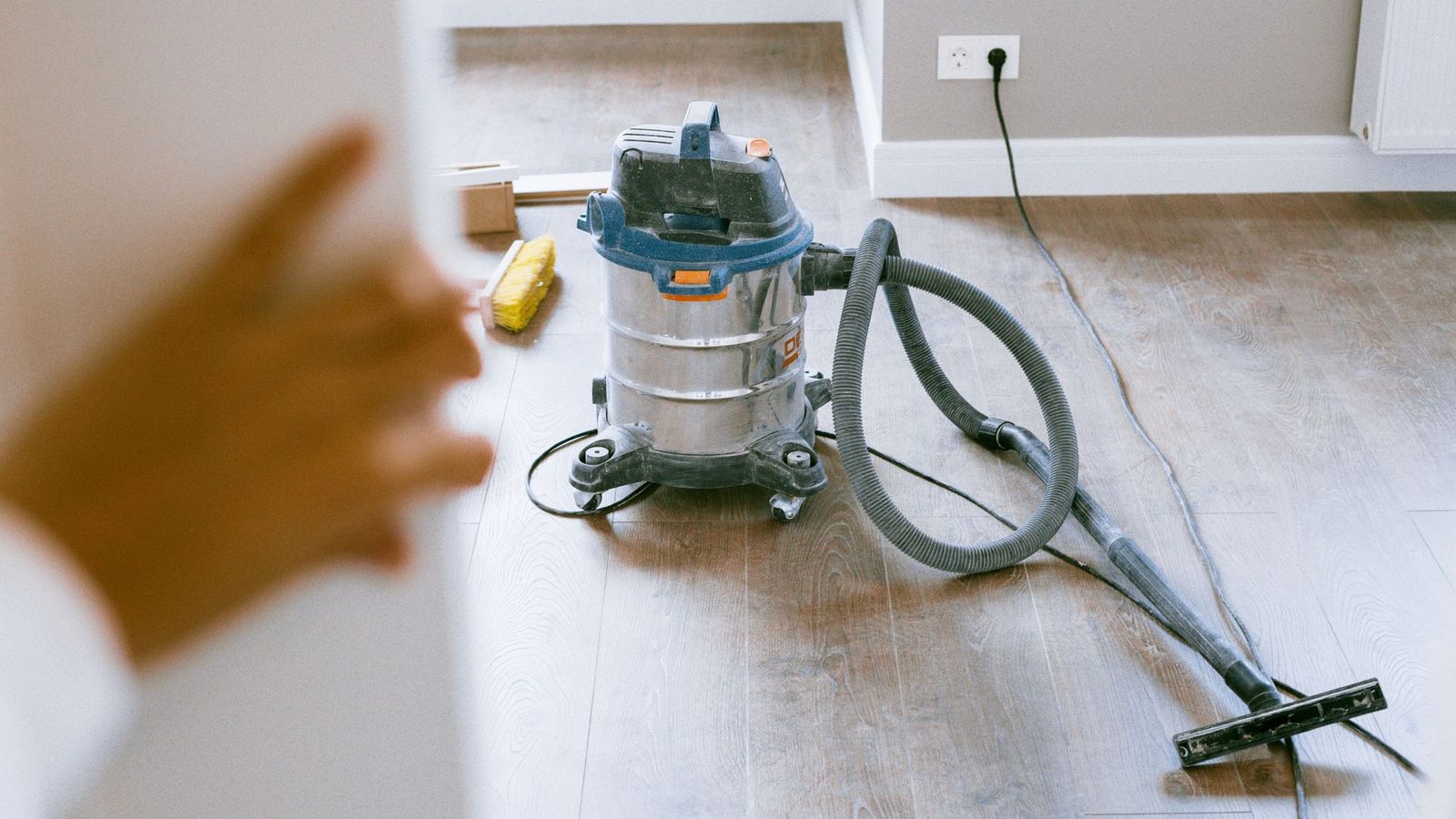
Emergency Water Extraction in Acworth
Truck-mounted and portable extractors pull standing water out of carpet, hardwood, tile and subfloors before it soaks deeper into the structure. Learn more about emergency water extraction in Acworth.
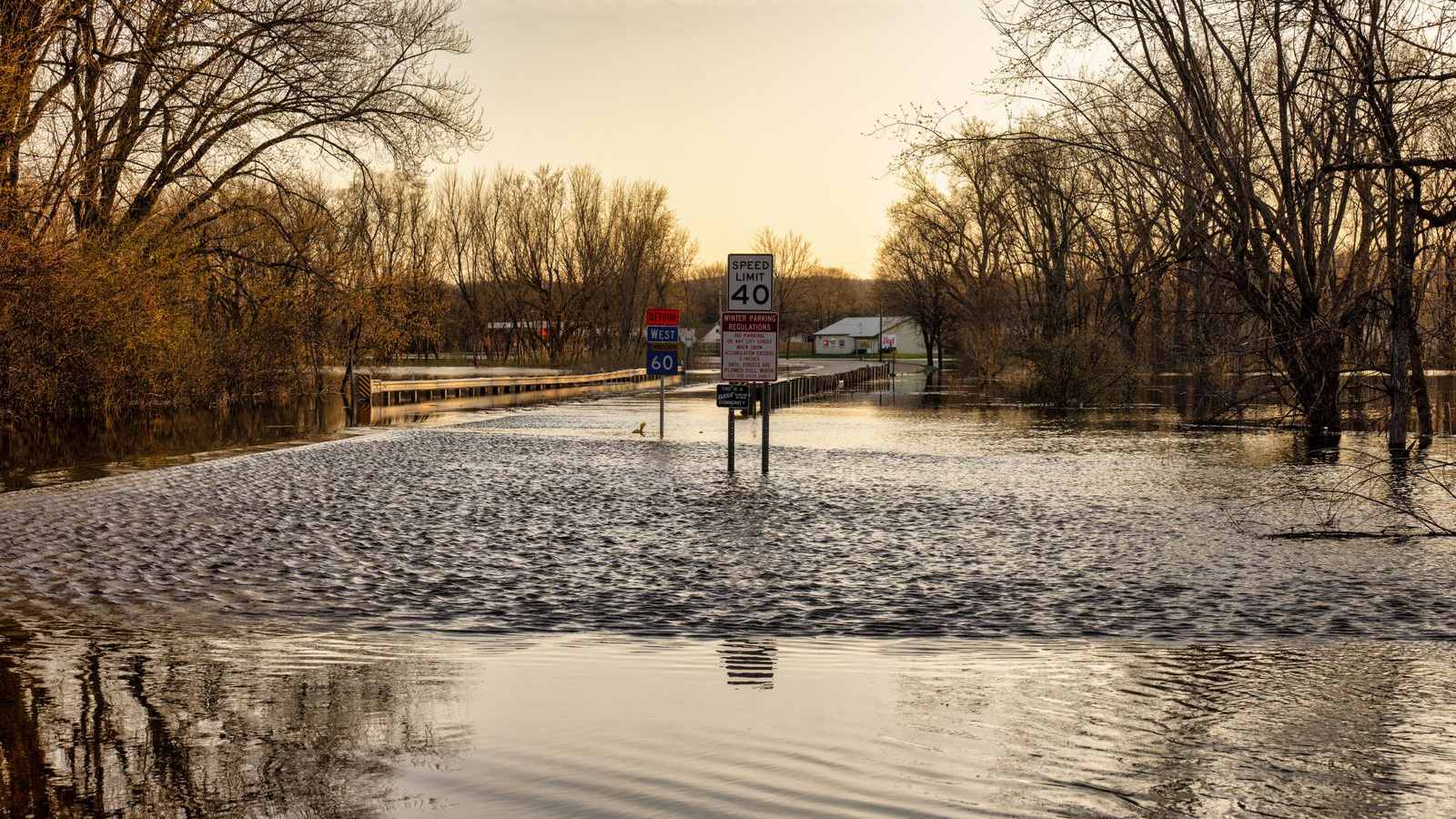
WATER DAMAGE RESTORATION • ACWORTH, GEORGIA
Burst pipe, flooded basement, sewage backup or a ceiling dripping after a storm? Our water damage restoration crew in Acworth, GA handles emergency water extraction, structural drying, mold prevention and repairs for homes and businesses across ZIP codes 30101 and 30102. The moment you call, a crew is dispatched immediately, day or night, to stop the water and protect your floors, walls and belongings.
A crew is dispatched immediately after your call, 24/7, to homes across Acworth 30101 and 30102, including the Lake Allatoona shoreline, Bells Ferry Road and the Cobb Parkway corridor.
Speed is the single biggest factor in how much of your home can be saved. The EPA advises drying wet materials within 24 to 48 hours to prevent mold growth, and Acworth's humid summers shorten that window. When emergency water damage in Acworth starts with a burst supply line or a failed sump pump, every hour of standing water means more swollen baseboards, more wet drywall and a higher chance of mold behind the walls. Calling right away keeps the job smaller, faster and less disruptive.
From a single leaking water heater to a basement full of storm runoff, every service below is handled by the same 24/7 crew. Whatever the source, the goal is the same: fast water removal in Acworth homes, complete drying and a clean, safe space again.
Truck-mounted and portable extractors pull standing water out of carpet, hardwood, tile and subfloors before it soaks deeper into the structure. Learn more about emergency water extraction in Acworth.
Commercial dehumidifiers, air movers and daily moisture readings dry walls, framing and floors to safe levels instead of leaving hidden moisture behind. See water mitigation in Acworth.
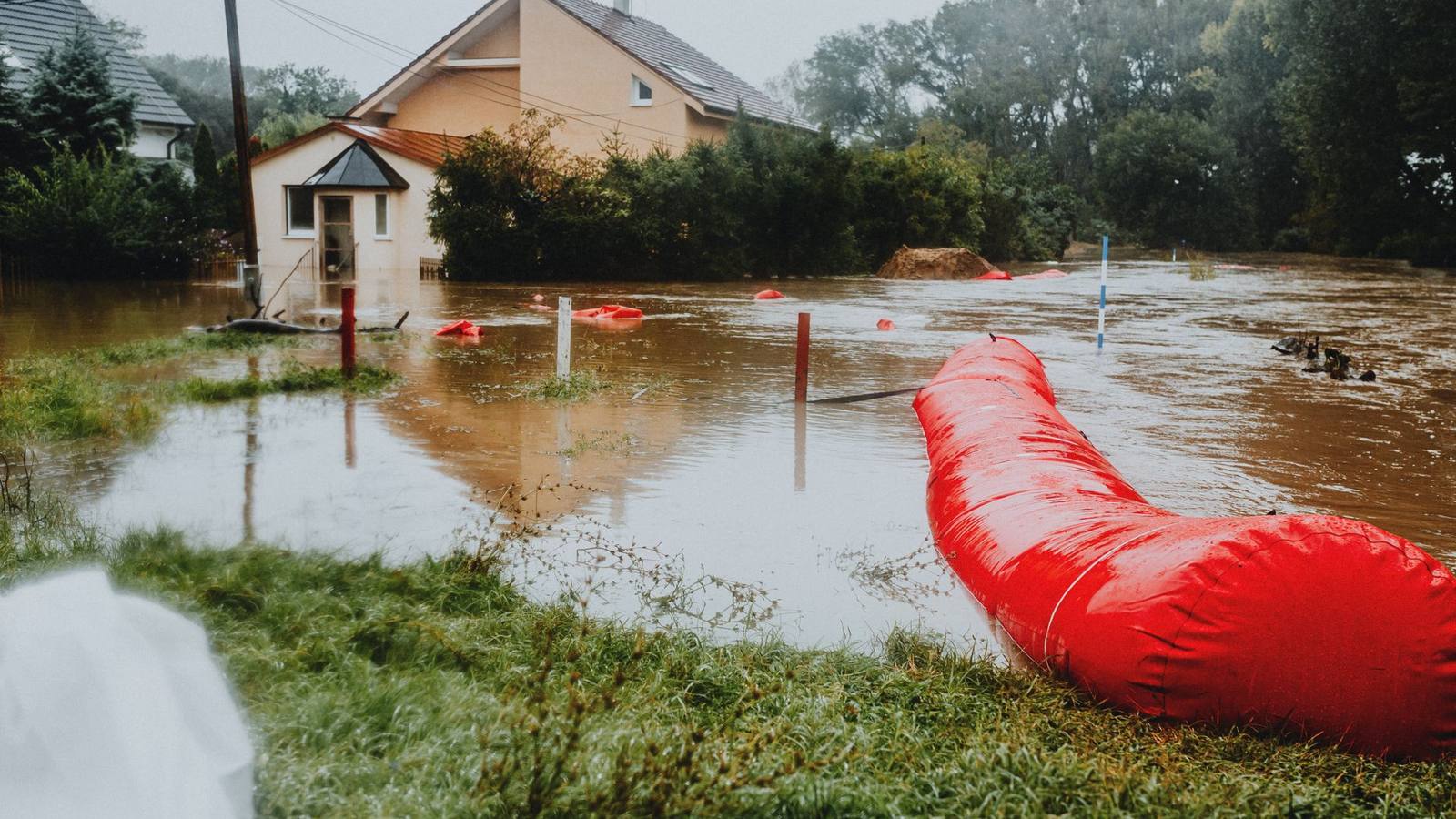
When creeks or heavy rain push water inside, the crew handles flood cleanup, extraction, sanitizing and drying for Category 2 and Category 3 water. See flood damage restoration in Acworth.
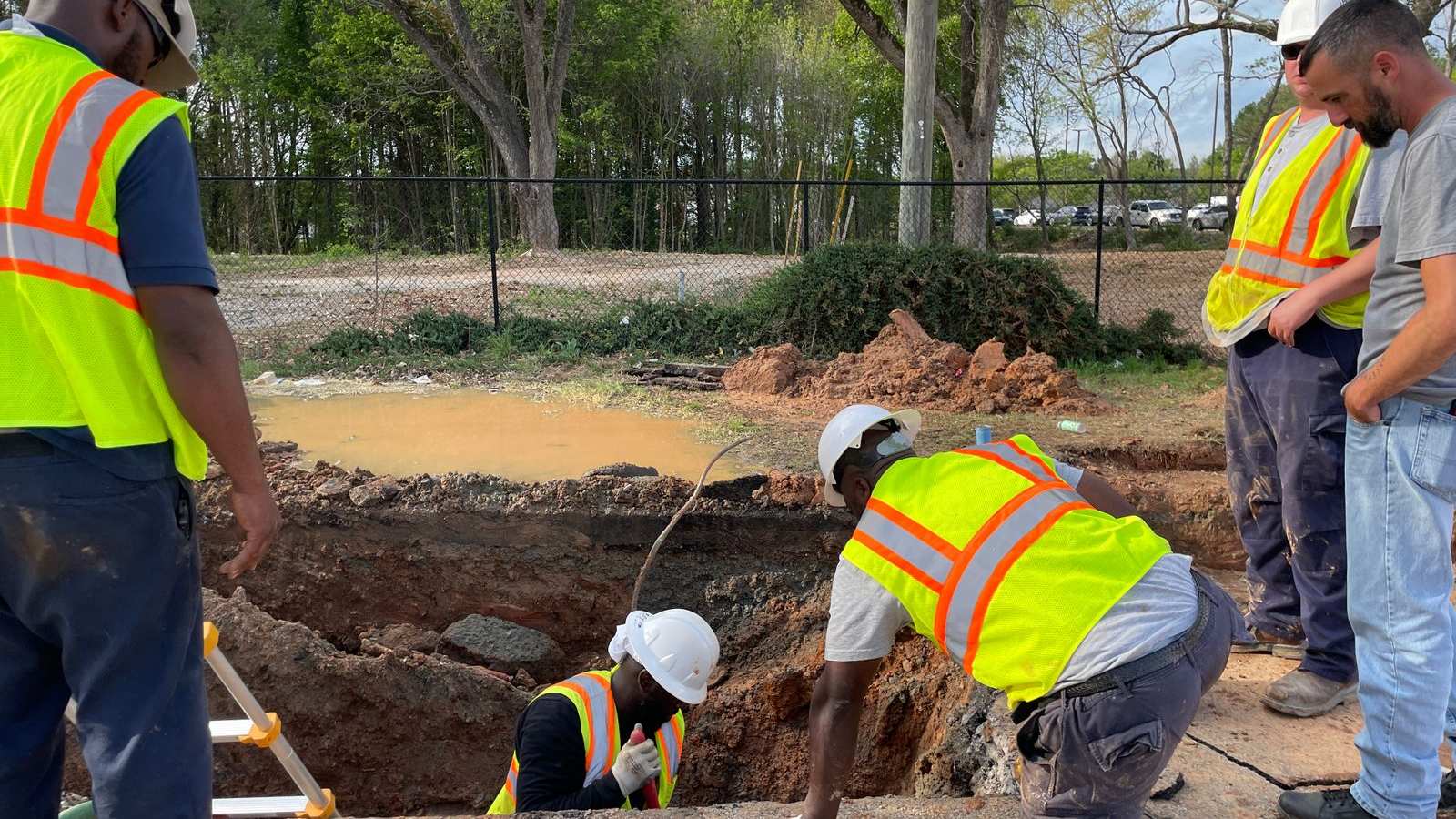
Frozen attic lines, cracked supply hoses and failed fittings can release gallons every minute. Water is removed, wet materials are opened up and drying starts the same visit. See burst pipe water damage cleanup in Acworth.
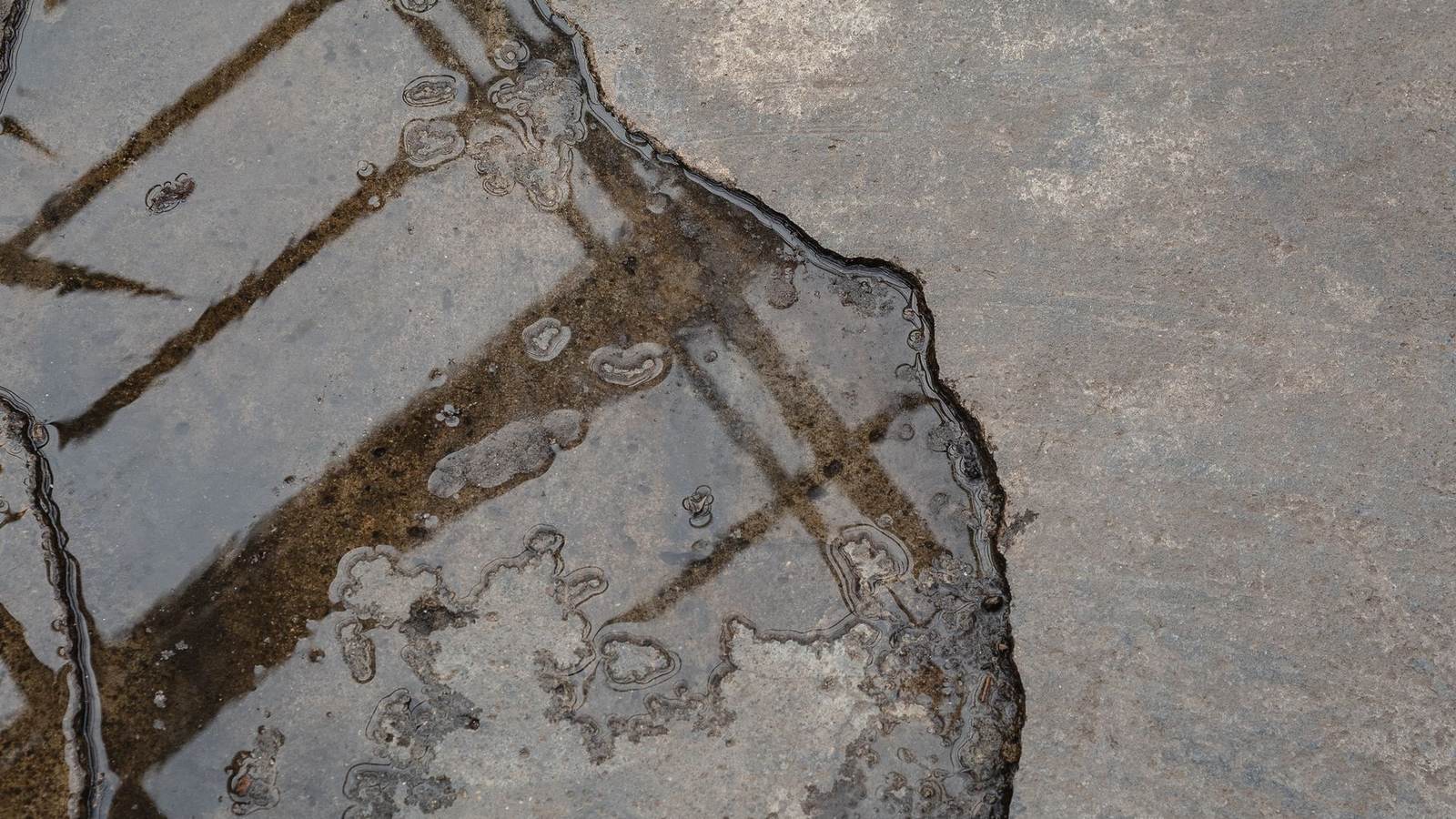
Finished, partial and walkout basements are common in Acworth, and they are where water collects first. Carpet, drywall and storage are triaged and dried fast. See flooded basement cleanup in Acworth.
Standing water under the house is pumped out, and the crawl space is dried so moisture doesn't rise into floors and living areas. See crawl space water removal in Acworth.
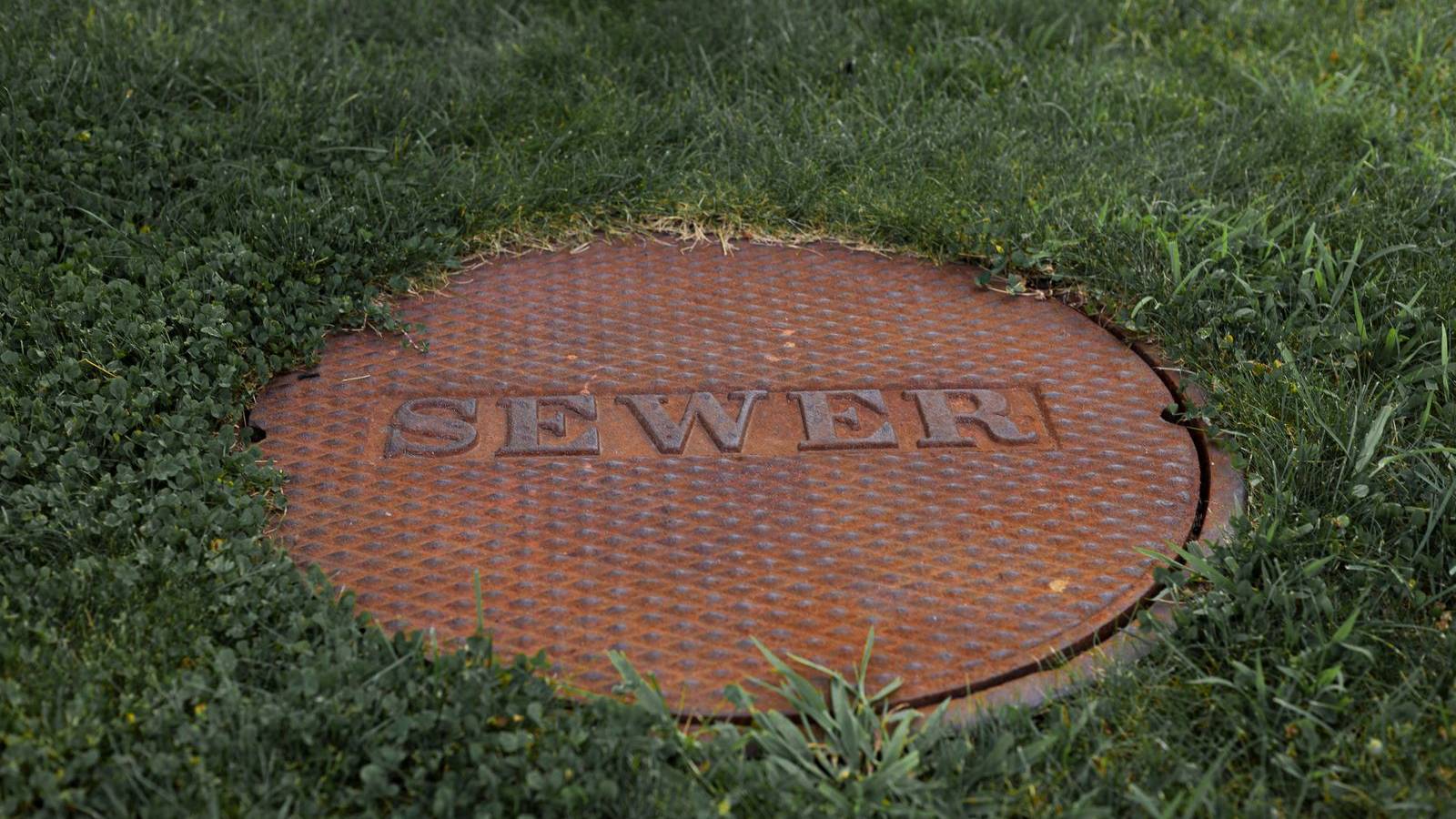
Sewage is Category 3 water. Contaminated materials are removed, surfaces are disinfected and the area is dried using protective procedures. See sewage backup cleanup in Acworth.
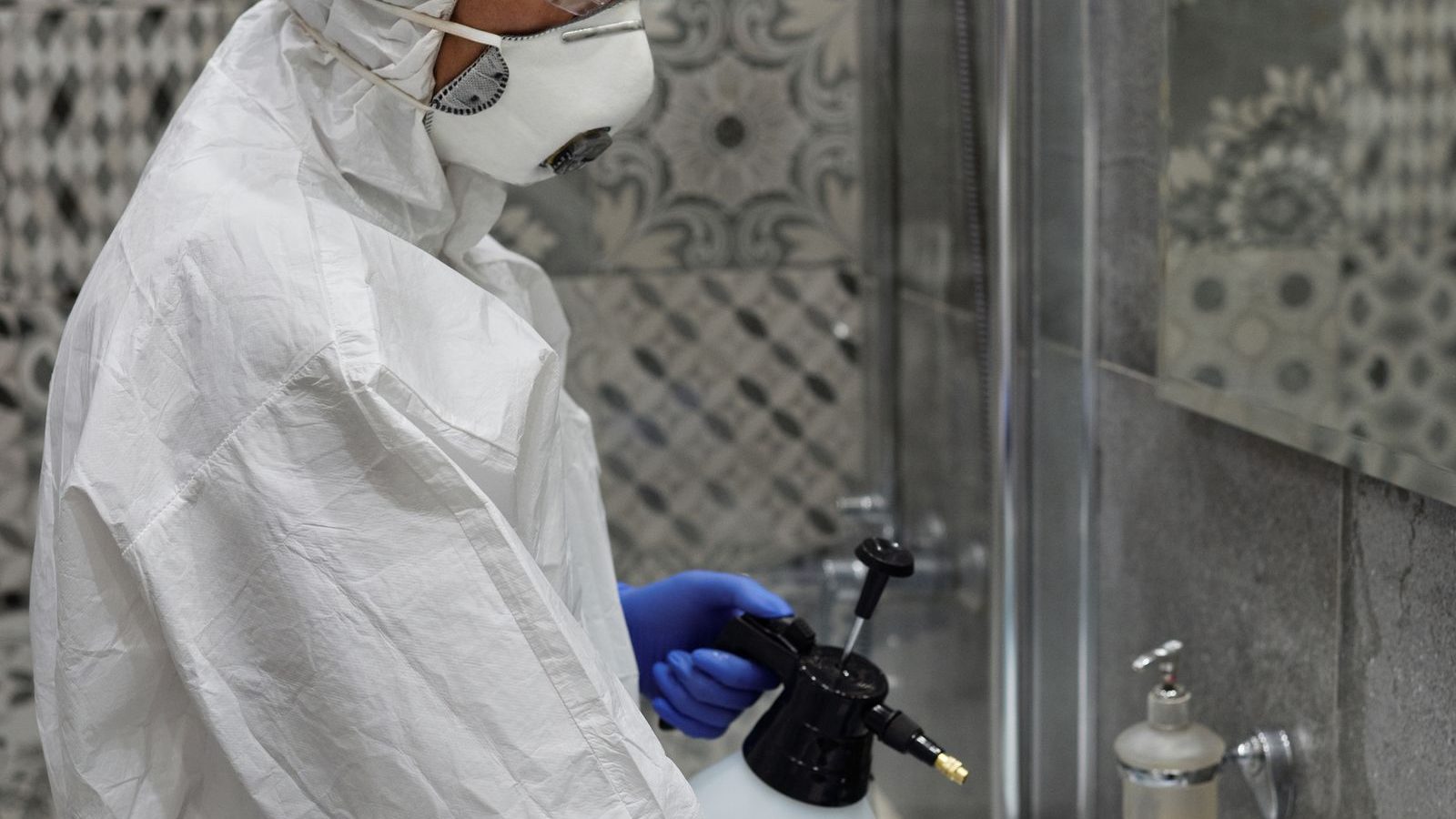
If water sat too long, mold is contained, removed and the source moisture corrected so it doesn't return. See mold remediation in Acworth.
Sagging or stained ceilings from upstairs bathrooms, attic air handlers or roof leaks are drained, dried and rebuilt. See ceiling water damage repair in Acworth.
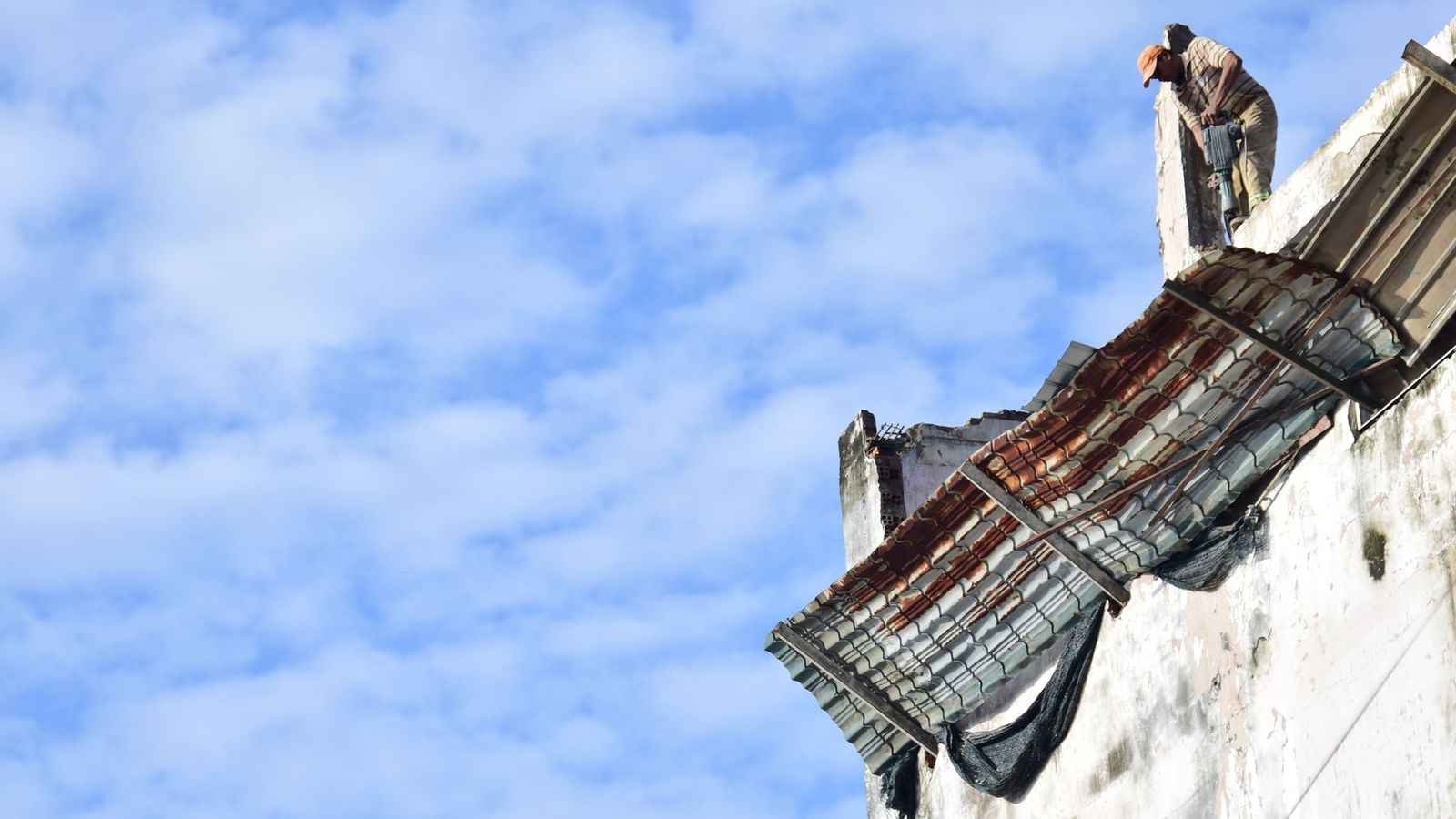
Emergency tarping, attic drying and interior water removal after wind-driven rain or a fallen tree. See storm water damage cleanup in Acworth.
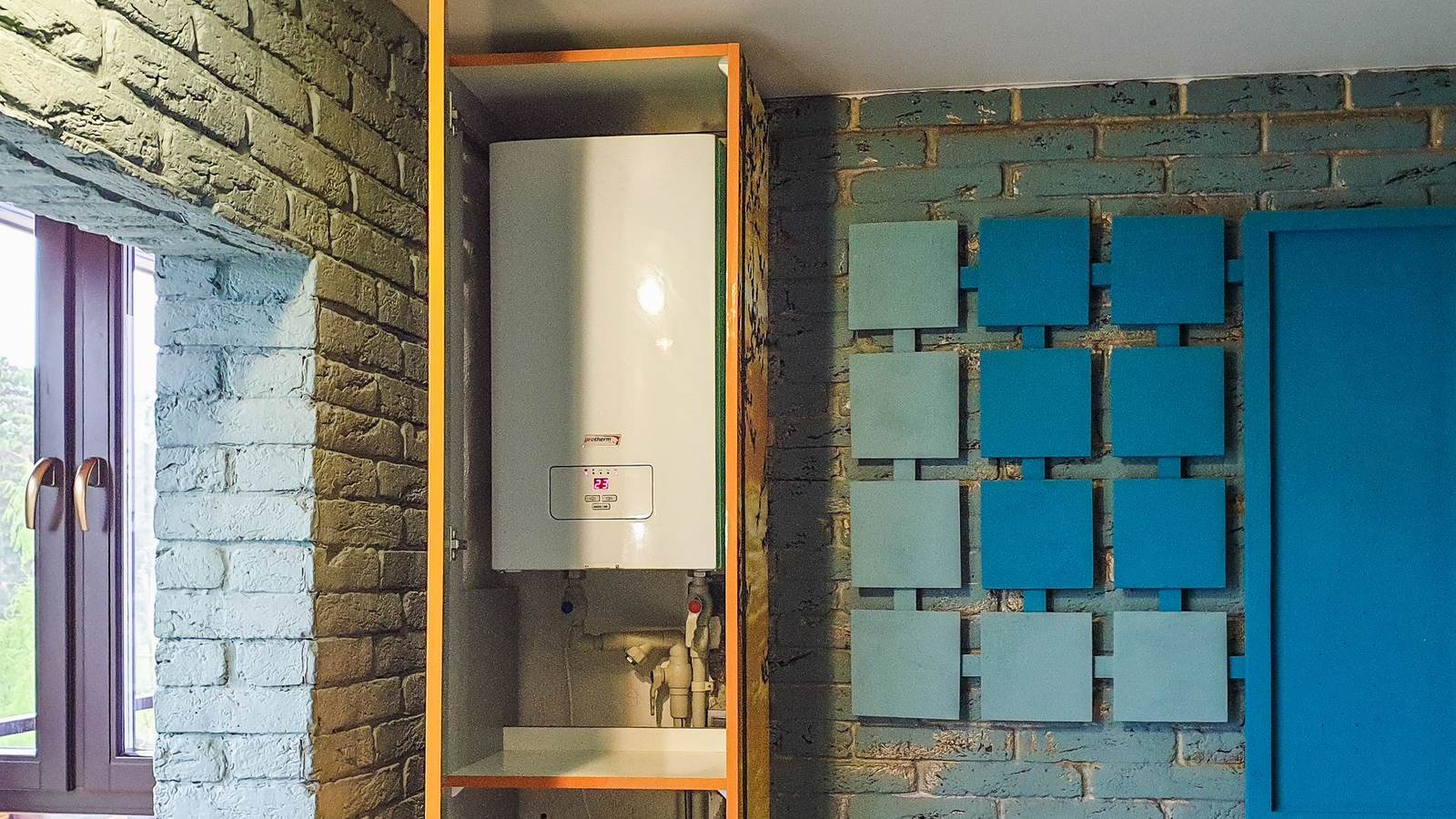
Failed water heater tanks, washing machine hoses, dishwasher lines and clogged AC condensate drains are some of the most common indoor leaks. See water heater leak cleanup in Acworth, appliance leak cleanup in Acworth and AC leak water damage in Acworth.
Floor drying mats help save cupped hardwood, and wet carpet is extracted and dried with the pad replaced when needed. See hardwood floor water damage in Acworth and carpet water damage in Acworth.
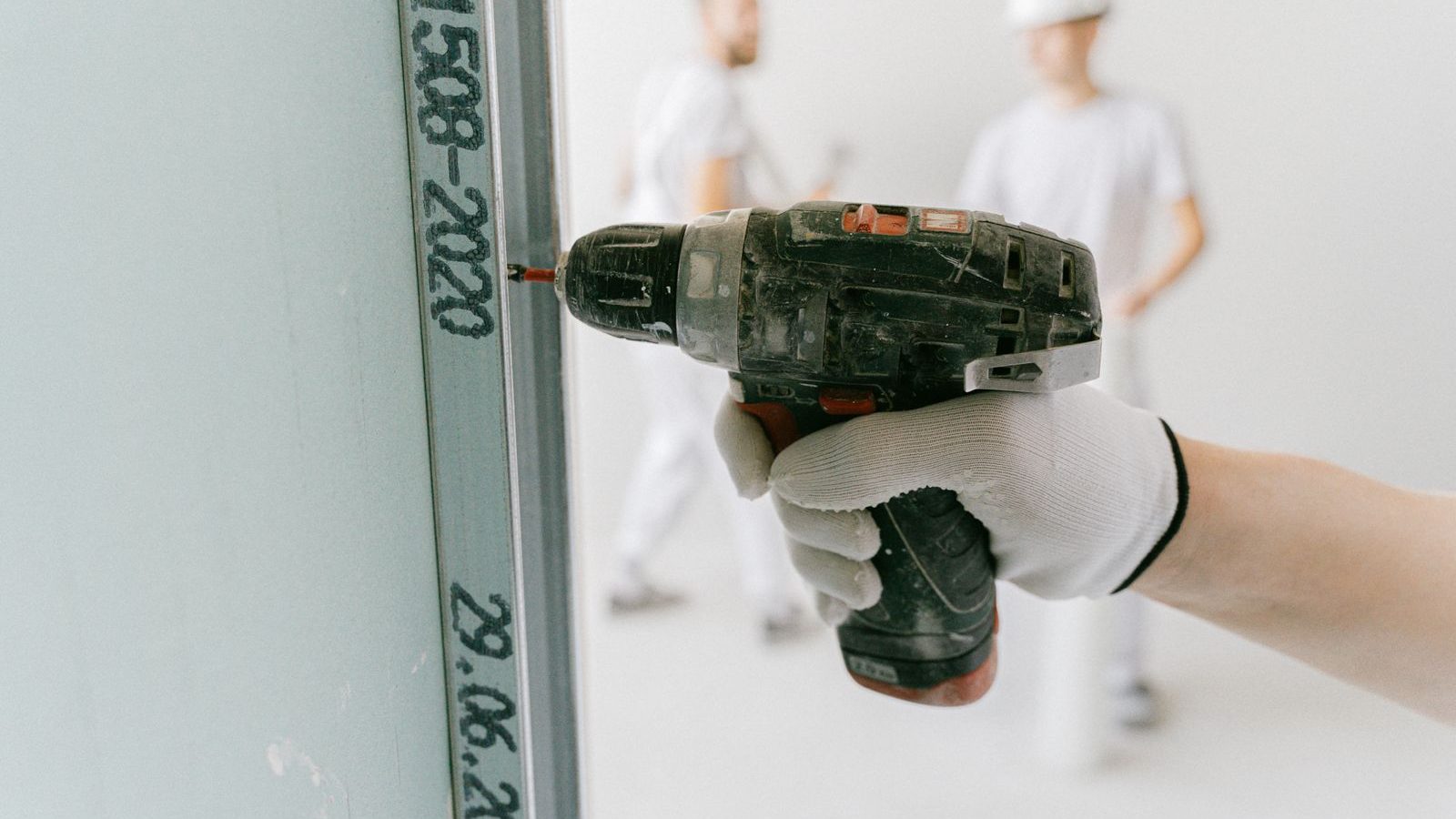
Once everything is dry, damaged drywall, insulation, baseboards and flooring are replaced so the home is finished, not just dried. See water damage repair in Acworth.
Offices, shops, restaurants and marinas get after-hours extraction and phased drying to keep doors open. See commercial water damage restoration in Acworth.
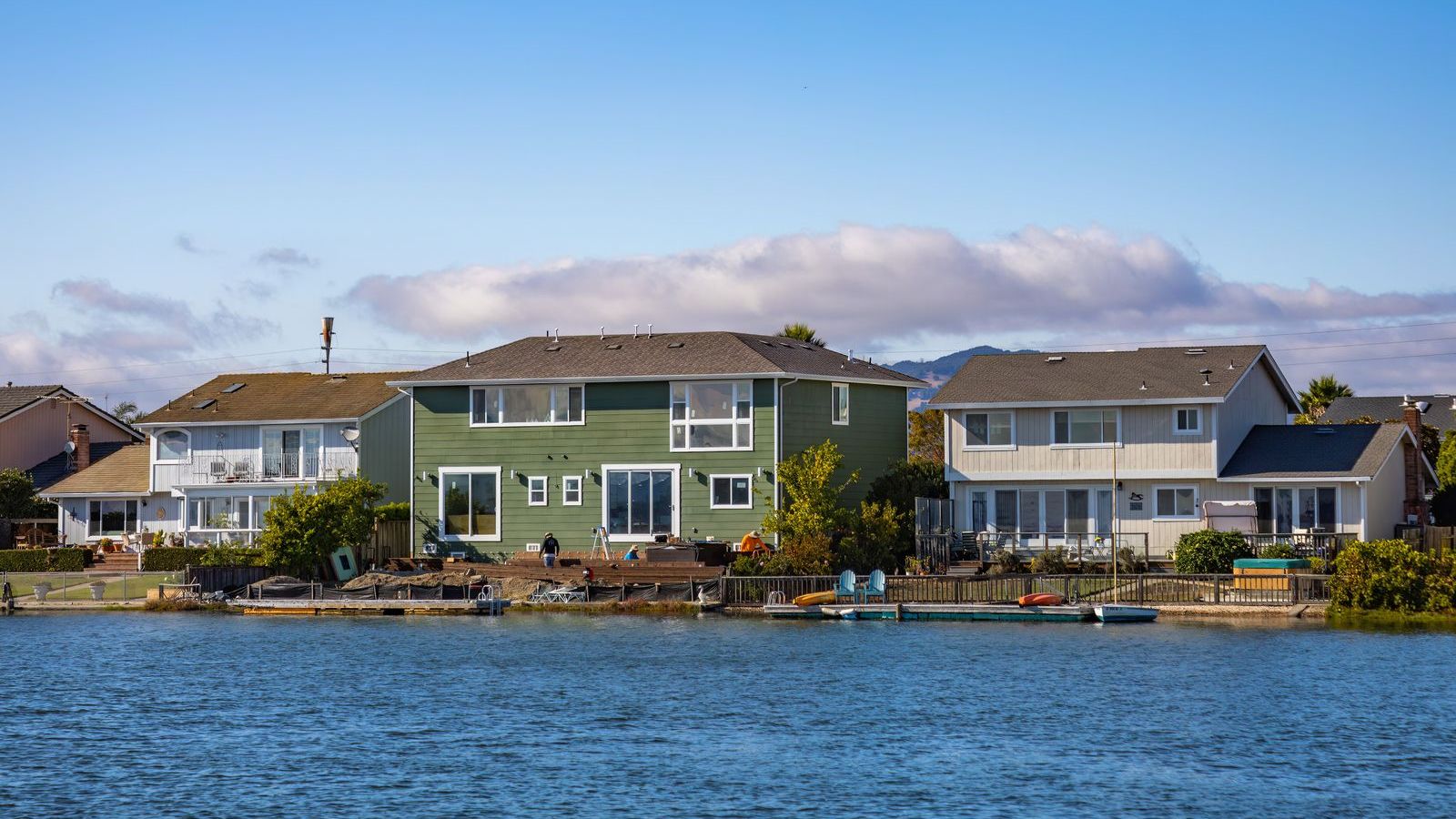
Walkout basements, lower levels and vacant second homes along Lake Allatoona get dedicated attention when lake water or a hidden leak gets inside. See Lake Allatoona water damage restoration.
Water coming in right now? Call (470) 672-2095. A crew is dispatched immediately to any address in Acworth 30101 or 30102, day or night.
Acworth sits between Lake Acworth and Lake Allatoona, with creeks, sloped lots and a large number of homes built in the 1980s and 1990s. That mix creates a few patterns that show up again and again:
Not every leak announces itself with a puddle. Watch for:
Any of these is worth a moisture check before it turns into a larger repair.
Every job follows a clear process so nothing is missed and drying is measured, not guessed.
1. Dispatch
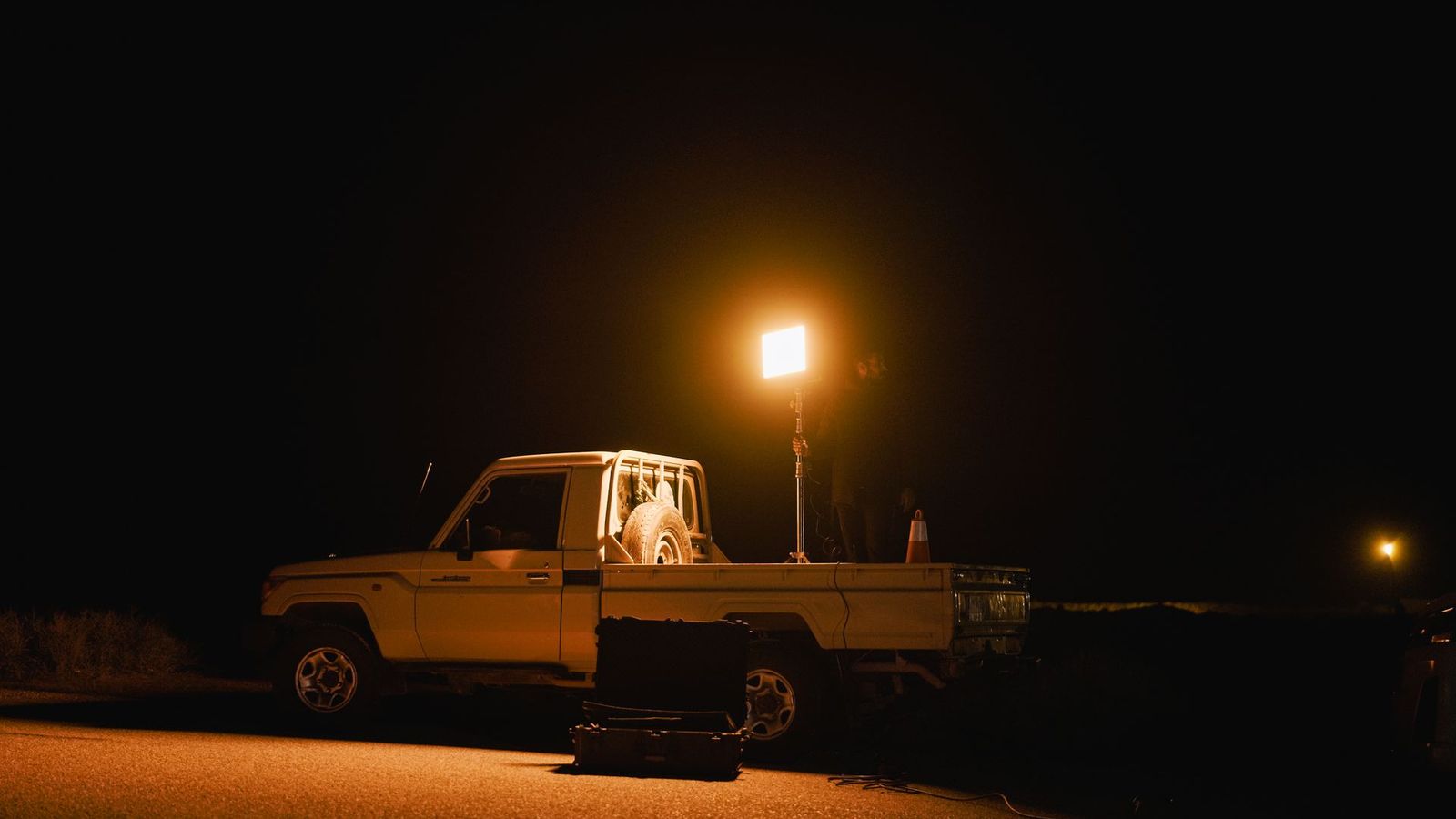
A crew is dispatched immediately with extraction and drying equipment on board.
2. Stop the source
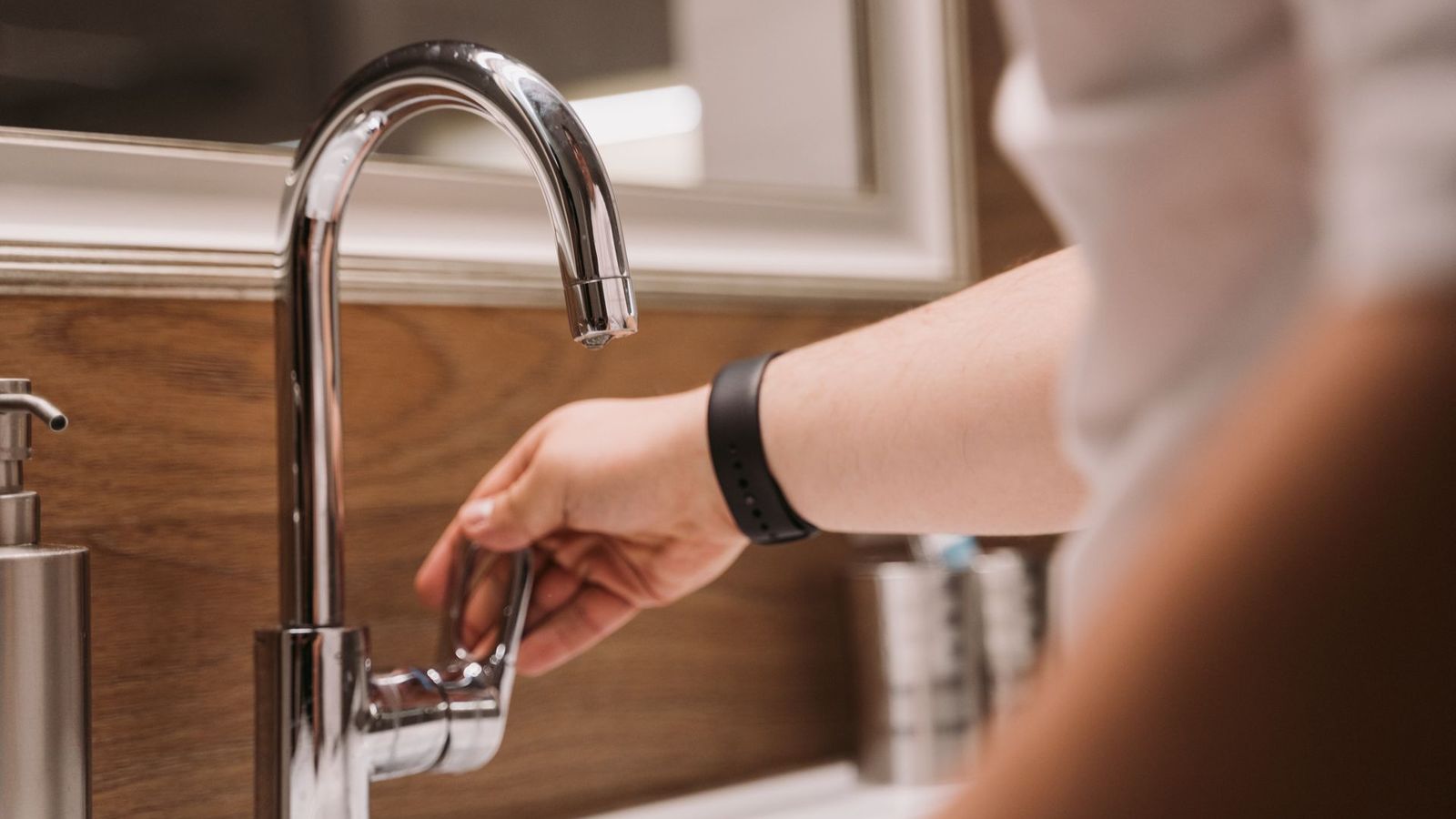
The water supply is shut off or the leak is isolated, and electrical hazards are checked.
3. Inspect and map moisture
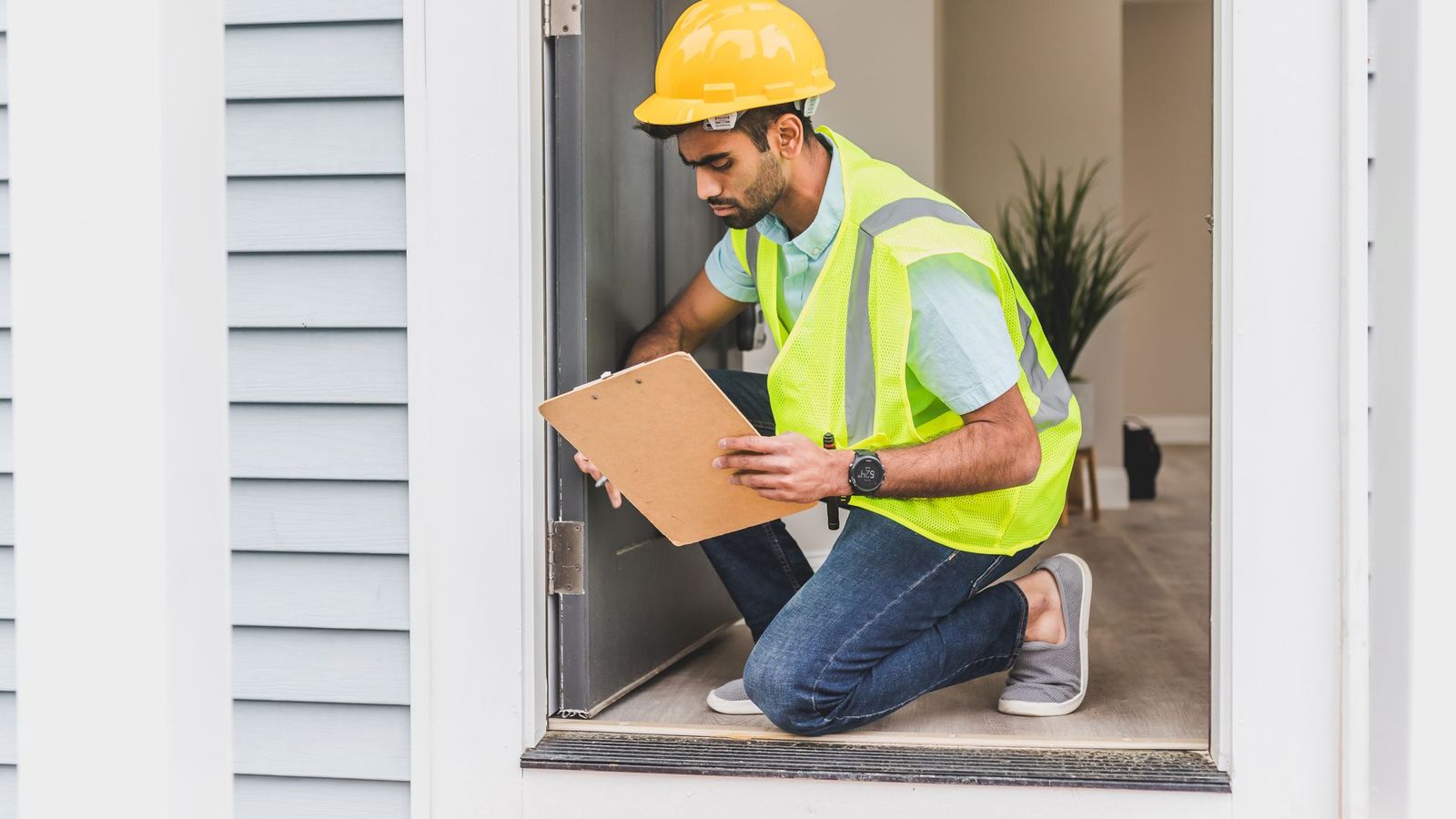
Moisture meters and thermal imaging show how far water traveled into walls, floors and cabinets.
4. Water extraction
Standing water is removed from floors, carpet and subfloors.
5. Structural drying
Dehumidifiers and air movers run while moisture readings are logged daily until materials reach dry standards.
6. Clean and sanitize
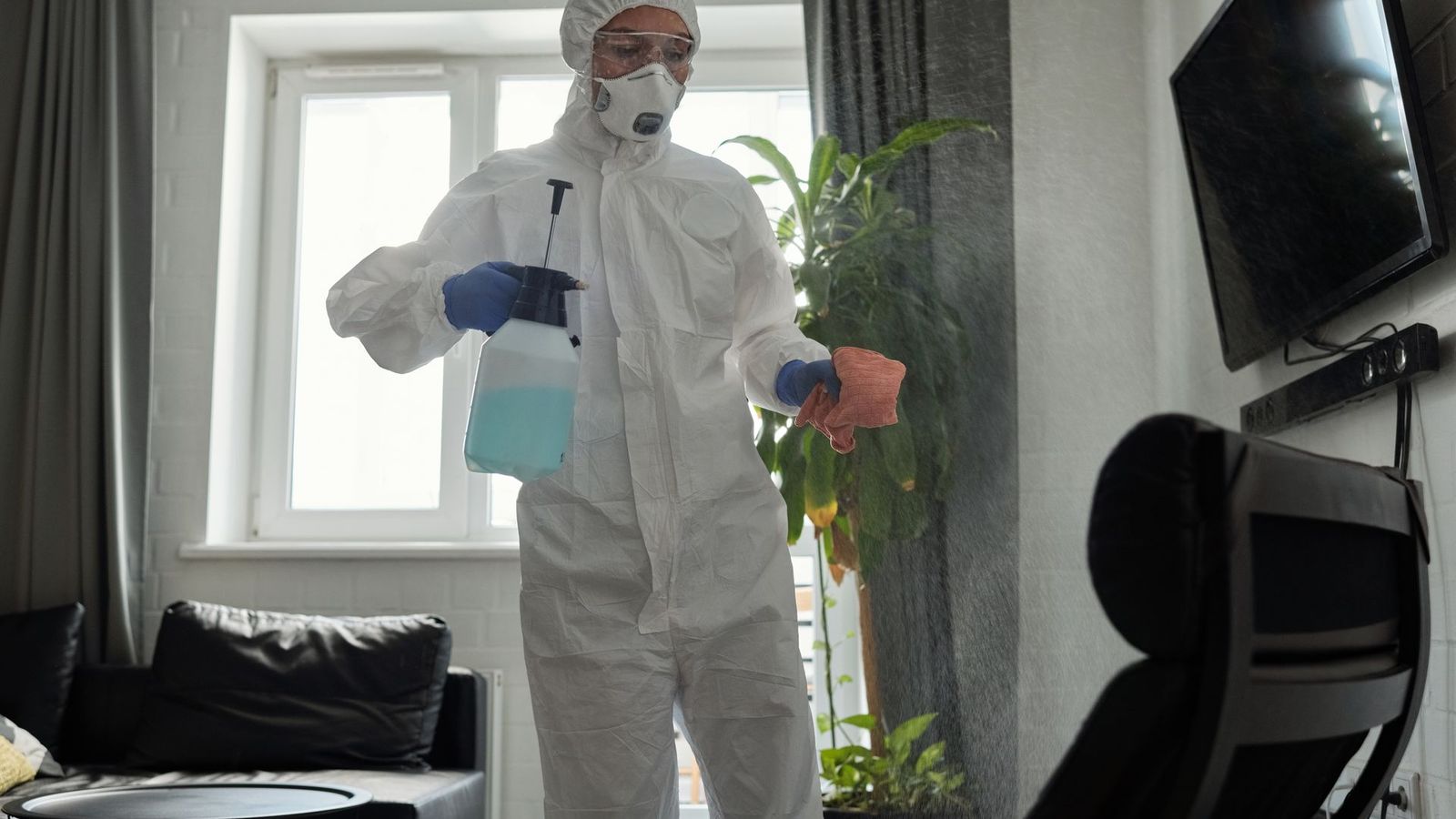
Affected areas are cleaned, and antimicrobial treatment is applied where needed to help prevent mold after water damage.
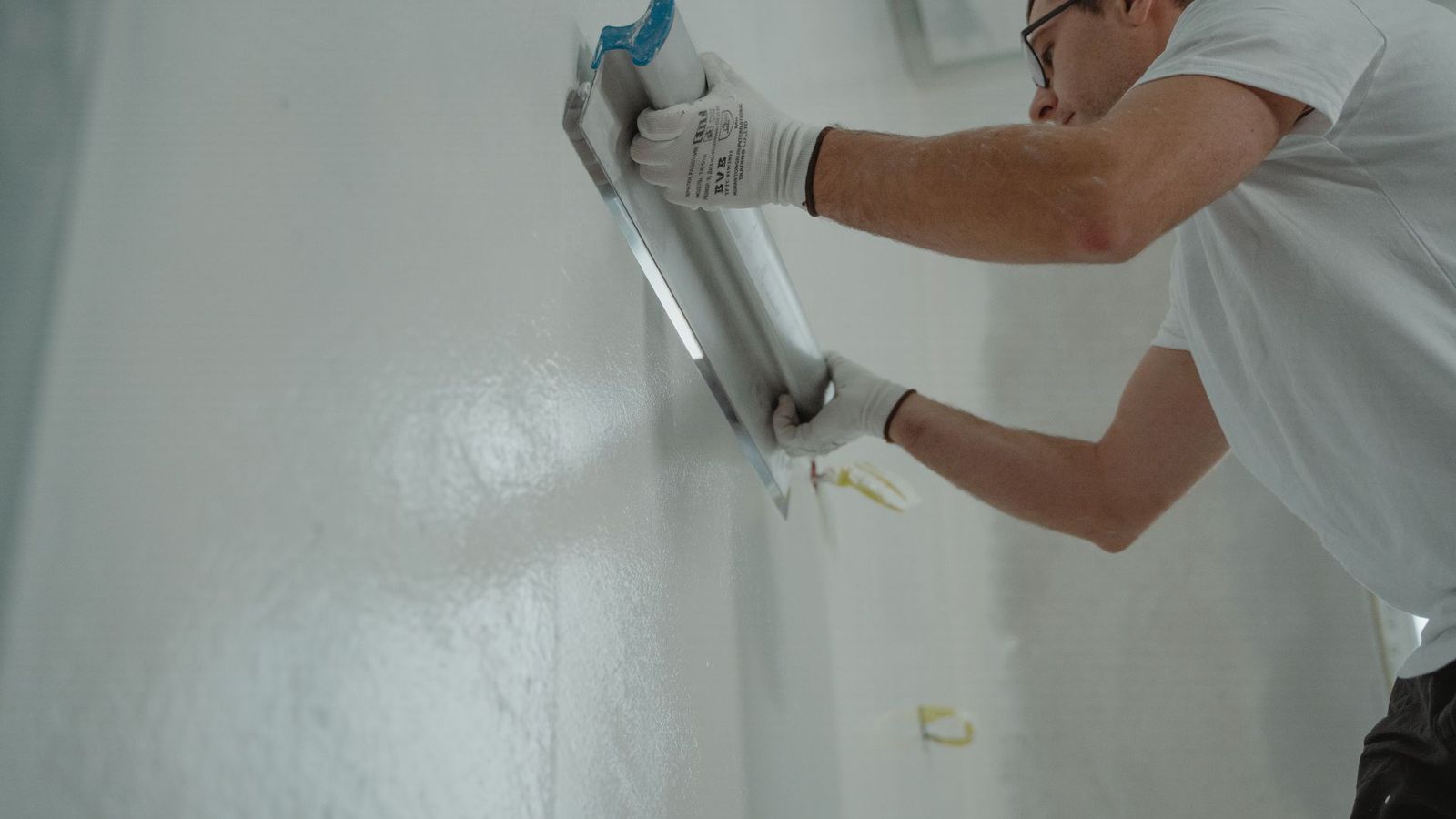
7. Repair and rebuild
Drywall, insulation, trim and flooring are replaced so the space is ready to use again.
Ready to start drying? Call (470) 672-2095 and a crew is dispatched immediately.
| Stage | What happens | When it happens |
|---|---|---|
| Mitigation | Water extraction, drying, dehumidification, moisture monitoring | First hours to about 5 days |
| Restoration | Drywall, insulation, flooring, cabinets and paint replaced or repaired | After materials are fully dry |
Mitigation stops the damage from growing. Restoration puts the home back together. Most Acworth jobs need both, and insurers usually look at them as separate stages.
| Material | Typical drying time | Notes |
|---|---|---|
| Carpet | 1-3 days | Pad is often replaced; sewage-soaked carpet is removed |
| Drywall | 2-4 days | Removed if soaked high or wet with gray or black water |
| Wood framing and subfloor | 3-5 days | Checked with moisture meters until it reaches a dry reading |
| Hardwood flooring | 3-7+ days | Floor drying mats help limit cupping |
| Concrete slab and cinder block | 5-10+ days | Dense materials hold water the longest |
These are typical ranges. Humidity, how long the water sat and how quickly extraction started all change the real number. Daily moisture readings decide when drying is finished, not the calendar.
| Category | Source examples | How it's handled |
|---|---|---|
| Category 1 (clean) | Supply line, water heater, faucet overflow | Extract and dry; most materials can be saved |
| Category 2 (gray) | Washing machine, dishwasher, sump overflow | Extract, clean, sanitize, then dry |
| Category 3 (black) | Sewage, outside floodwater, creek water | Remove porous materials, disinfect, then dry |
Clean water can turn into Category 2 or 3 if it sits for a day or two, which is another reason fast extraction matters.
Acworth's two ZIP codes cover very different kinds of homes, and each brings its own water problems.
Acworth 30101 includes downtown Acworth, Lake Acworth, the McEver Road area and neighborhoods like Brookstone, Cedarcrest, Becketts Walk and Ford Landing. Many of these homes have finished or partial basements and two-story layouts with upstairs laundry rooms, so basement seepage and ceiling leaks are common calls.
Acworth 30102 stretches along Bells Ferry Road and Highway 92 into unincorporated Cherokee County, with neighborhoods such as Bennett Farms, Bells Ferry Place, Allatoona Pass, Buice Lake and Worthington, plus manufactured-home communities and lake homes near the Allatoona shoreline. Older plumbing, crawl spaces and some homes on septic systems make water removal in Acworth's 30102 area a different job than in a newer slab home.
Wherever your home sits, water damage in Acworth, GA is handled with the same 24/7 response and the same measured drying process.
A second home near Lake Allatoona sits empty during a hard freeze. An attic or crawl space line splits, and water runs for days before anyone notices. These jobs usually need extraction on more than one floor, flood cuts in drywall and a mold check.
A washer supply hose bursts on the second floor of a newer home. Water travels through the subfloor into the ceiling and walls below. Drying focuses on the ceiling cavity, the framing and the flooring on both levels.
Ground around a hillside home stays saturated after several days of rain, the sump pump can't keep up, and water spreads across a finished basement. Carpet, pad and lower drywall are triaged, and the block walls are dried with dehumidification.
In the middle of summer the attic air handler's condensate line clogs and the overflow pan fills. Water soaks the insulation and stains the ceiling below. The fix is drying the attic, replacing wet insulation and repairing the drywall.
Cobb County Water System maintains the public water and sewer mains. Pipes on your property, including your private sewer line, are the homeowner's responsibility. If you see a break in the street or suspect a county sewer main is backing up, Cobb Water's Emergency Dispatch line is 770-419-6201.
Cobb County Water System offers a partial leak credit once in a rolling 12-month period for documented private plumbing leaks, covering no more than two billing months. Keep your plumbing repair receipt, because it is required to apply.
Most Georgia homeowners policies cover sudden and accidental water damage, such as a burst pipe or a failed water heater, but they exclude outside floodwater and long-term seepage. Flooding from creeks or rising lake water usually needs a separate flood policy through the NFIP. Photos, moisture readings and drying logs help support any claim. See water damage insurance claim help in Acworth
Costs depend on how much area got wet, the category of water and how long it sat. As a general range, smaller cleanups can run a few hundred dollars, a typical Acworth water damage job lands around $1,400 to $3,800, and large floods or sewage losses that need rebuilding can go well past $15,000.
The biggest cost drivers are:
When you're comparing any water damage company in Acworth, a few questions separate a fast, thorough job from a slow one:
The same 24/7 crew also covers nearby cities in Cobb, Cherokee, Bartow and Paulding counties:
 Kennesaw, GA
 Woodstock, GA
 Cartersville, GA
 Dallas, GA
 Hiram, GA
Call a 24/7 water damage company in Acworth that can dispatch a crew immediately for extraction and drying. Our crew is reached at (470) 672-2095. For a broken public water main in the street, contact Cobb County Water System's Emergency Dispatch at 770-419-6201.
Most structural drying takes about 3 to 5 days. Dense materials like hardwood, plaster and cinder block, or high humidity, can extend that. Daily moisture readings show when each area is truly dry.
In most clean-water cases, yes. Drying equipment is noisy but safe. With sewage or significant mold, it's better to stay out of the affected area until it's cleaned and sanitized.
Mold can start within 24 to 48 hours on wet drywall, carpet or wood. Fast extraction and measured drying are the best way to prevent it.
Usually for sudden, accidental leaks like burst pipes or appliance failures. Outside flooding from creeks or the lake is typically excluded and needs separate flood coverage. Check your policy and document everything.
Yes. Water damage in Acworth, GA is handled across both ZIP codes, including the 30102 areas along Bells Ferry Road and Highway 92 that sit in unincorporated Cherokee County.
Call (470) 672-2095 now for water damage in Acworth, GA 30101 and 30102. A crew is dispatched immediately.
(470) 672-2095Don't wait for it to spread. Our 24/7 water damage restoration crew in Acworth, GA is ready for burst pipes, flooded basements, sewage backups and storm leaks across 30101 and 30102. Call (470) 672-2095 now and a crew is dispatched immediately for emergency water damage in Acworth, from first extraction to final repair.
Request Emergency Help
Fill this in and we will call you back. For immediate help, call (470) 672-2095.