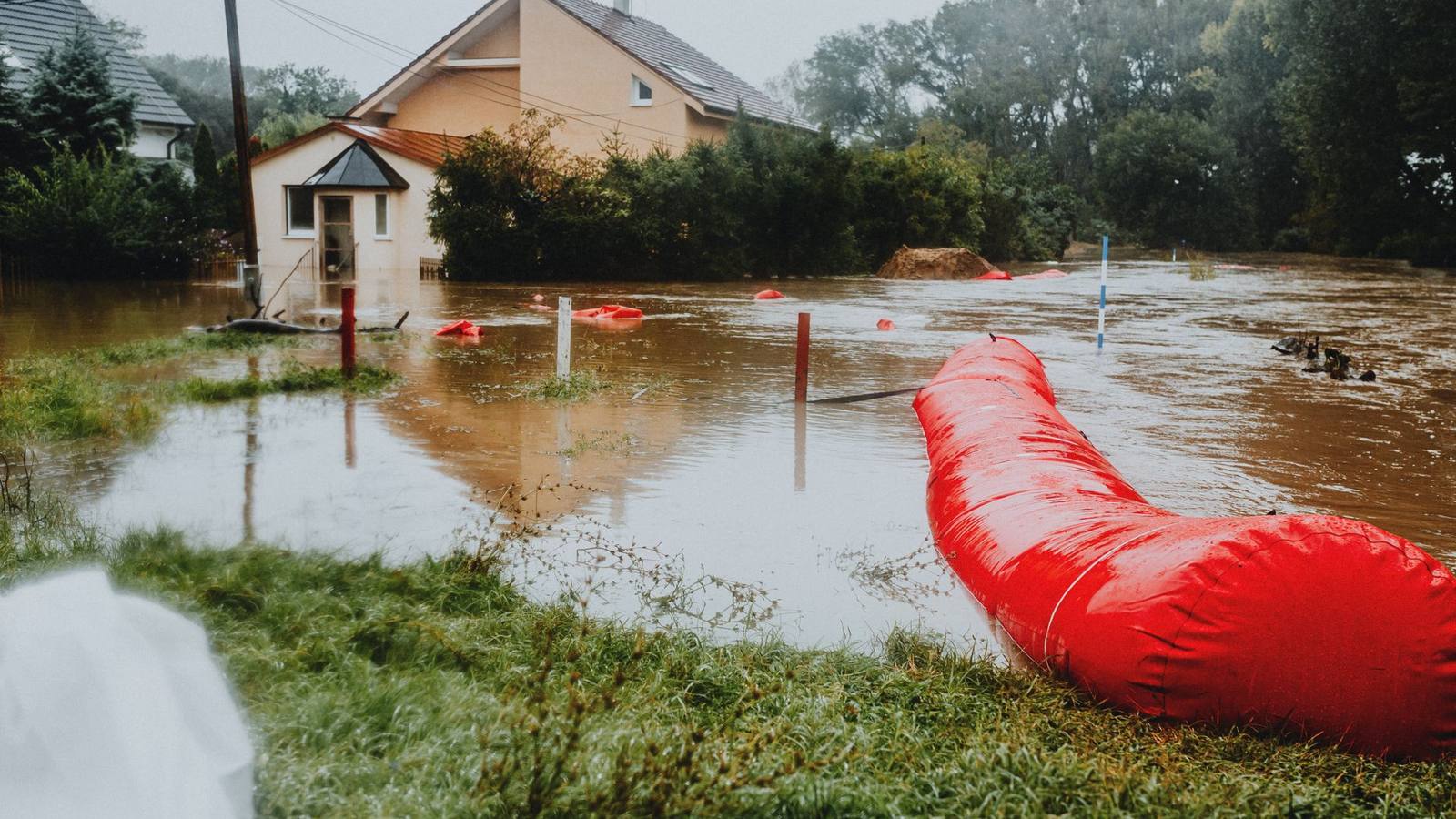
FLOOD DAMAGE RESTORATION • ACWORTH, GEORGIA
Emergency Flood Damage Restoration in Acworth, GA
When creeks rise, storms overwhelm drainage or water pushes into a lower level, our crew handles the full recovery: water extraction, mud and debris removal, sanitizing and structural drying for homes and businesses across Acworth 30101 and 30102. Floodwater carries bacteria and silt, so speed and proper cleaning both matter. Call now and a crew is dispatched immediately, day or night.
Request Emergency Help
Fill this in and we will call you back. For immediate help, call (470) 672-2095.
Which parts of Acworth flood when Allatoona Creek and Lake Allatoona run high?
Low ground along Allatoona, Proctor, Clark and Pitner creeks and lake-edge homes near Lake Allatoona take on the most water after heavy, multi-day rain.
Acworth sits where several creeks feed Lake Allatoona, a U.S. Army Corps of Engineers reservoir built partly for flood control. When the lake runs high, creek water has nowhere to go quickly, and saturated ground around homes on sloped lots pushes water into basements, crawl spaces and garages. The National Weather Service tracks Allatoona Creek at its Stilesboro Road gauge, where flood stage is 13 feet. Flash flooding can also hit any neighborhood with poor drainage when heavy rain falls fast, even far from a creek.
What does flood damage restoration in Acworth, GA include?
- Immediate dispatch with pumps, extractors and drying equipment.
- Safety first: power to flooded areas is shut off and the structure is checked before anyone walks in.
- Pump-out and extraction: submersible pumps move deep water; extractors pull the rest from floors.
- Mud and debris removal: silt and debris are shoveled and cleaned out of floors, walls and HVAC returns.
- Removal of unsalvageable materials: soaked drywall is cut above the water line, and wet insulation, carpet and pad are removed.
- Cleaning and sanitizing: every surface that floodwater touched is cleaned and treated with antimicrobial.
- Structural drying: dehumidifiers and air movers run with daily moisture readings until materials are dry.
- Rebuild: drywall, insulation, flooring and trim are replaced once the structure passes dry readings.
Why is floodwater treated as Category 3 floodwater?
Water that enters from outside picks up soil, sewage overflow, fuel, lawn chemicals and animal waste on the way in. That's why outside flooding is always handled as Category 3 floodwater, the most contaminated class under the IICRC S500 standard.
What that means for your home:
- Porous materials that touched the water, like carpet, pad, insulation and lower drywall, are usually removed, not dried.
- Hard surfaces are cleaned and disinfected before drying starts.
- Protective gear is needed during cleanup.
- Children, pets and anyone with health concerns should stay out until the area is sanitized.
The category of the water decides what can stay and what has to go, so treating outside water as Category 3 floodwater from the start protects your family's health.
What can be saved after a flood, and what has to go?
| Item | Usually saved? | Why |
|---|---|---|
| Carpet and pad | No | Absorbs contaminated water; can't be fully disinfected |
| Drywall below the water line | No | Cut out with a flood cut, typically 2 to 4 feet up |
| Wall insulation | No | Holds water and contamination |
| Wood framing | Usually yes | Cleaned, disinfected and dried in place |
| Concrete and block walls | Yes | Cleaned and dried; dense materials take longer |
| Solid wood furniture | Sometimes | Cleaned and dried if not swollen or delaminated |
| Upholstered furniture and mattresses | Rarely | Absorbs contaminated water |
| Photos and important papers | Sometimes | Freeze or dry quickly to improve the odds |
Storm flooding in Acworth homes
Not every flood comes from a creek. Storm flooding in Acworth often starts closer to the house:
- Overflowing gutters dump roof water right against the foundation.
- Poor grading sends yard runoff toward the house instead of away from it.
- Window wells and basement stairwells fill and leak into lower levels.
- Clogged yard drains and storm inlets back up during heavy rain.
- Garage and driveway slopes channel water under doors.
Even a short burst of heavy rain can put water in a finished basement. Storm water from outside is treated the same way as creek flooding, because it is still outside water. See flooded basement cleanup in Acworth
Flood cleanup in Acworth basements, crawl spaces and garages
Basements and walkouts
Walkout and partial basements on sloped Acworth lots are the first place floodwater collects. Flood cleanup in Acworth basements means pumping, removing carpet and lower drywall, sanitizing and drying block walls.
Crawl spaces
Floodwater that pools under the house soaks vapor barriers and insulation and raises humidity into the living areas above. Water is pumped out, debris and wet insulation are removed and the space is dried. See crawl space water removal in Acworth
Garages and lower levels
Garages that sit below grade or have a back slope take water under the door. Mud is cleared, walls are checked for wicking and stored items are sorted.
Lake homes
Homes near the Allatoona shoreline, especially walkouts facing the water, need attention after long stretches of high water. See Lake Allatoona water damage restoration
What should you do right after a flooded house in Acworth?
- Don't walk into standing water if power is still on in that area.
- Shut off the main breaker only if you can reach it from a dry spot.
- Avoid contact with floodwater; wear boots and gloves if you must go in.
- Photograph and video every room before anything is moved.
- Move dry valuables to upper floors.
- Don't run the HVAC if returns or ductwork took on water.
- Call for flood cleanup so pumping and sanitizing start right away.
- A flooded house in Acworth gets harder to dry every hour the water sits, and mold can start within 24 to 48 hours.
Flood vs. water damage insurance in Georgia
The source of the water decides whether a claim is paid. Here's how flood vs water damage insurance usually breaks down:
| Situation | Typical coverage |
|---|---|
| Burst pipe, failed water heater, appliance leak | Homeowners policy (sudden and accidental) |
| Creek or lake water entering the home | Flood policy, usually an NFIP flood policy |
| Heavy rain running in through the ground or doors | Flood policy |
| Sewer backup | Often needs a sewer backup endorsement |
| Slow leak over weeks or months | Often excluded as gradual damage |
Standard Georgia homeowners policies exclude outside flooding. An NFIP flood policy through the National Flood Insurance Program covers flood damage to the structure and, with contents coverage, belongings. NFIP policies generally have a 30-day waiting period before coverage starts, so they need to be in place before a storm. Photos, moisture readings and drying records from the job help with any claim. See water damage insurance claim help in Acworth
How much does flood cleanup cost in Acworth?
Flood jobs usually cost more than clean-water leaks because more materials are removed and everything has to be sanitized. A smaller lower-level flood might stay in the low thousands, while full-basement or multi-room flooding with rebuild work can run well past $15,000.
Cost drivers include:
- How deep the water got and how many rooms it reached
- Amount of mud and debris to remove
- Drywall, insulation, carpet and cabinets that must be replaced
- Days of drying equipment needed
- Whether mold has started
Related flood and storm services in Acworth
- Emergency water extraction in Acworth
- Storm and roof leak water damage in Acworth
- Sewage backup cleanup in Acworth
- Mold remediation in Acworth
- Water damage repair in Acworth
Flood Damage Restoration FAQs
Is floodwater dangerous to clean up myself?
Yes. Outside floodwater can carry sewage, bacteria and chemicals. Wear protective gear, avoid skin contact and keep children and pets away until the area is sanitized.
Does homeowners insurance cover flooding in Georgia?
Usually not. Outside flooding is excluded from standard policies and needs separate flood coverage, typically an NFIP flood policy.
How long does it take to dry a flooded home?
Most homes need about 3 to 5 days of drying after extraction and removal. Concrete, block walls and heavy flooding can take longer.
Do I need to remove drywall after a flood?
In most cases, drywall below the water line is cut out because it absorbs contaminated water. Framing behind it is usually cleaned and dried.
Can storm flooding in Acworth happen away from creeks?
Yes. Overflowing gutters, poor grading and clogged drains can flood a home anywhere in Acworth during heavy rain.
Floodwater in your Acworth home right now?
Don't wait for it to soak deeper. Our flood damage restoration crew in Acworth, GA is ready 24/7 for creek flooding, storm water and lake-level seepage across 30101 and 30102. Call (470) 672-2095 and a crew is dispatched immediately.
Call (470) 672-2095 now for water damage in Acworth, GA 30101 and 30102. A crew is dispatched immediately.
(470) 672-2095Water in your Acworth home right now?
Don't wait for it to spread. Our 24/7 water damage restoration crew in Acworth, GA is ready for burst pipes, flooded basements, sewage backups and storm leaks across 30101 and 30102. Call (470) 672-2095 now and a crew is dispatched immediately for emergency water damage in Acworth, from first extraction to final repair.